
UK Summer 2026 Set to Break Heat Records with Met Office Projection
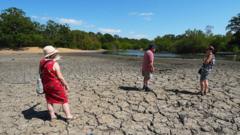
Summer 2026 Positioned to Become UK's Hottest Season on Record
The UK's summer of 2026 is showing strong indicators of becoming the hottest on record, according to the latest meteorological assessments. The Met Office has confirmed that current conditions point toward a historic temperature milestone, with the summer season tracking toward unprecedented heat levels that could surpass previous records significantly.
What It Takes to Break the Previous Record
To secure its position as the UK's hottest summer on record, 2026 requires only average weather conditions during the remainder of August. This relatively modest threshold demonstrates just how substantially warmer the months of June and July have already been compared to historical averages. The record that stands to be broken was established remarkably recently, having been set just in 2025.
The narrow margin needed to achieve this milestone underscores the exceptional temperatures already recorded during the first two months of the meteorological summer. Rather than requiring extreme weather patterns, even moderate August conditions would be sufficient to cement 2026's place in UK climate history.
Understanding the Broader Context
The succession of record-breaking summers highlights shifting climate patterns affecting the United Kingdom. The fact that 2025's record could be surpassed so quickly indicates an accelerating trend in warming temperatures across the region. These consecutive years of exceptional heat represent a departure from long-term historical norms and raise important questions about seasonal weather evolution.
What Average August Conditions Mean
When meteorologists reference average conditions, they specifically mean temperatures and weather patterns that align with the typical August experience based on decades of accumulated data. For summer 2026 to claim the hottest title, no extreme heat waves or exceptional temperature spikes would be necessary during August. Standard seasonal conditions would suffice, given the substantial heat already accumulated in June and July.
This calculation emphasizes that the record-breaking trajectory is not dependent on any single dramatic weather event. Instead, it reflects the cumulative impact of sustained warming throughout the summer months, with established temperature benchmarks already substantially exceeded.
Implications for the Record Books
Should summer 2026 successfully break the UK's hottest summer on record designation, it would represent the second consecutive year of record-setting temperatures. This pattern raises considerations about climatic shifts and potential long-term weather phenomena affecting the British Isles. The Met Office's projection carries significant weight given the organization's expertise in meteorological forecasting and climate analysis.
The proximity of these record-breaking summers suggests that temperatures at the upper end of historical ranges may be becoming more frequent occurrences rather than isolated anomalies. This development has implications for infrastructure planning, agriculture, public health preparedness, and resource management across the UK.
Record Succession and Climate Observation
The rapid succession of record-breaking summers provides valuable data for climate scientists monitoring long-term trends. Each successive record offers insights into changing atmospheric conditions and temperature patterns. The Met Office's tracking of these metrics contributes to the broader scientific understanding of how climate dynamics are evolving across the northern hemisphere.
Weather records serve as essential benchmarks for understanding seasonal patterns and identifying deviations from historical norms. When multiple records fall in quick succession, it signals that significant shifts may be underway in regional climate systems. The current trajectory toward summer 2026 breaking the recent record established in 2025 exemplifies this phenomenon.
Monitor for Final Confirmation
While the Met Office's projection indicates a strong likelihood of summer 2026 becoming the UK's hottest on record, the final outcome depends on actual weather conditions throughout the remainder of August. Daily temperature readings and weather observations will determine whether the threshold for the record is ultimately crossed. Official confirmation will come through the Met Office's comprehensive climate analysis following the conclusion of the summer season.


