
US Halts HIV Funding in South Africa Amid Global Health Concerns
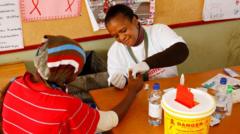
United States Withdraws Financial Support from South African HIV Programmes
The United States has announced a significant shift in its international health policy by discontinuing financial support for HIV programmes in South Africa, a decision that carries substantial implications for one of the world's most severely affected nations. This funding withdrawal represents a notable change in the long-standing commitment to combating the virus across the African continent, where public health infrastructure continues to face considerable challenges.
South Africa remains home to the largest HIV-positive population globally, with more than eight million individuals currently living with the virus. This staggering figure underscores the nation's critical role in the worldwide effort to manage and control HIV transmission, making the cessation of international financial aid a matter of serious concern for health authorities and advocacy organizations worldwide.
The Scale of HIV in South Africa
The magnitude of the HIV epidemic in South Africa cannot be overstated. With more than eight million people living with HIV, the country faces an unprecedented public health burden that demands sustained international cooperation and investment. The prevalence of the virus has shaped the nation's healthcare landscape, demographic trends, and economic development for decades, requiring continuous adaptation of treatment and prevention strategies.
The epidemiological landscape in South Africa reveals the complex nature of HIV transmission across different demographic groups and geographic regions. Urban centers, rural areas, and township communities each present unique challenges that require tailored interventions and adequate resource allocation. The presence of multiple HIV subtypes and the emergence of drug-resistant strains further complicate treatment outcomes and necessitate ongoing research and programme innovation.
Impact of Funding Withdrawal on HIV Programmes
The decision to halt US financial support for HIV programmes in South Africa raises critical questions about the future sustainability of treatment services, prevention initiatives, and research activities. Many programmes that have operated with American funding contribute substantially to antiretroviral distribution, counseling services, testing facilities, and community health worker networks across the country. The abrupt cessation of this funding threatens to create gaps in service provision that could have devastating consequences for vulnerable populations.
Healthcare facilities in both urban and remote settings have developed operational structures that depend on consistent international financial flows. Interruptions to this funding stream could result in staff reductions, limited access to essential medications, and reduced capacity for patient monitoring and support services. The implications extend beyond immediate healthcare delivery to encompass broader economic impacts on local communities and employment in the health sector.
International Health Policy Implications
This funding decision reflects broader changes in American foreign policy priorities and international health engagement. The withdrawal from South Africa's HIV programmes signals a recalibration of the United States' role in global health initiatives and raises questions about the future trajectory of bilateral health partnerships. Other developing nations with significant HIV burdens now face uncertainty regarding the reliability of international funding commitments.
The timing and implementation of this funding withdrawal remain subjects of intense discussion among policymakers, health professionals, and international observers. Questions persist regarding transition periods, alternative funding mechanisms, and the responsibility of other developed nations to fill anticipated gaps in health financing. The decision challenges the concept of sustained international solidarity in addressing pandemic-level health threats.
Looking Ahead: Challenges and Opportunities
South Africa's response to this funding crisis will require enhanced domestic resource mobilization, strengthened regional partnerships, and continued advocacy for international support. The nation's government and health institutions must develop comprehensive strategies to maintain programme continuity while simultaneously working to attract alternative funding sources. Civil society organizations and private sector engagement may play increasingly important roles in sustaining HIV-related services.
The broader implications of reduced American engagement in South Africa's HIV response extend to the global fight against the pandemic. International observers and health experts emphasize that addressing the needs of eight million people living with HIV in a single country requires sustained commitment and collaborative approaches that transcend short-term policy shifts. The coming months will reveal how South Africa and the international community navigate this transition and whether alternative mechanisms can effectively substitute for American financial contributions to the country's vital HIV programmes.


