
US Strikes Iran Again as Trump Issues Stern Warning to Tehran
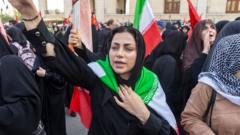
Fresh US Military Operations Against Iran
The United States has initiated another round of military strikes against Iran, escalating tensions in the Middle East. President Donald Trump has simultaneously issued a direct warning to the Iranian government, demanding that Tehran modify its conduct and behavior. These US strikes Iran incidents mark a continuation of heightened hostilities between Washington and the Islamic Republic.
The latest operations represent a significant escalation in the ongoing conflict between the two nations. Military officials have confirmed that the strikes targeted specific Iranian positions, though complete details regarding the scope and scale of the operations remain under review. The Trump administration's decision to proceed with additional military action underscores the administration's commitment to its Iran policy objectives.
Trump's Direct Message to Iranian Leadership
President Trump addressed the situation directly, emphasizing that Iran must alter its current trajectory. In his statement, the president made clear that the United States expects behavioral changes from the Tehran government. The Trump Iran warning signals a firm stance on diplomatic and military matters, indicating that further escalation could occur if demands are not met.
The president's comments suggest that additional options remain available to the administration. When questioned about potential future military action, Trump declined to rule out further operations, stating that decisions regarding Iran's future remain under consideration. This measured but resolute approach reflects the administration's strategy of maintaining maximum pressure while keeping diplomatic channels theoretically open.
Regional Implications and Strategic Concerns
The strikes come amid broader concerns about regional stability and international security. US military action Iran operations have intensified following several incidents that Washington attributes to Iranian aggression or influence. The administration argues that such military responses are necessary to protect American interests, those of regional allies, and international shipping lanes.
Middle Eastern analysts note that these operations could have significant ramifications for the region. Neighboring countries have expressed concern about potential retaliatory measures from Iran, and international observers are monitoring the situation closely. The escalation raises questions about the broader implications for global oil markets and international relations.
Understanding the Broader Context
The current military operations must be understood within the context of decades-long US-Iran tensions. Relations between the two nations have remained strained since the 1979 Iranian Revolution. Various administrations have pursued different approaches, ranging from diplomatic engagement to economic sanctions and military deterrence.
The current approach emphasizes military readiness and economic pressure simultaneously. US sanctions against Iran have targeted the country's oil exports, banking sector, and various industries. These economic measures work in conjunction with military operations to pressure the Iranian government into policy changes that align with American strategic interests.
International Response and Diplomatic Considerations
Global powers have reacted with varying degrees of concern to the latest developments. Some American allies have expressed support for the operations, viewing them as necessary deterrents against Iranian regional activities. However, other nations have called for restraint and have advocated for renewed diplomatic efforts.
International organizations and humanitarian groups have raised concerns about civilian casualties and the humanitarian implications of military operations. The United Nations and various non-governmental organizations have called for all parties to exercise maximum restraint and pursue peaceful resolution mechanisms.
Future Prospects and Strategic Outlook
The situation remains fluid, with the Trump Iran warning suggesting that the administration's course of action will continue unless Tehran demonstrates significant behavioral modifications. Military analysts suggest that Iran faces considerable pressure to reassess its regional policies and international conduct.
Whether the current strategy will achieve its intended objectives remains uncertain. Some experts believe that sustained pressure could eventually force Iranian concessions, while others worry that continued escalation could trigger an uncontrolled spiral of military confrontation. The coming weeks and months will likely prove crucial in determining whether US strikes Iran incidents continue or whether a negotiated settlement becomes possible.
The international community watches closely as these events unfold, hoping that both nations will find pathways toward reduced tensions while protecting their respective interests and security concerns.


