
Venezuela Earthquakes Kill 920 People Amid Desperate Search
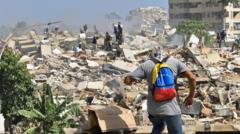
Venezuela Earthquakes Result in Devastating Loss of Life
A series of catastrophic seismic events has devastated Venezuela, claiming approximately 920 lives and leaving communities in a state of profound mourning. The Venezuela earthquakes represent one of the most significant natural disasters to strike the nation in recent years, with authorities continuing recovery and rescue operations across affected regions.
The scale of destruction from these Venezuela earthquakes has overwhelmed local emergency services, prompting urgent calls for international assistance. First responders have been working tirelessly since the initial tremors struck, navigating treacherous conditions to locate survivors buried beneath collapsed structures.
Hundreds Remain Trapped Under Rubble
Emergency officials estimate that hundreds of individuals remain trapped beneath the debris of collapsed buildings throughout affected areas. The ongoing search and rescue efforts face significant challenges due to damaged infrastructure and limited access routes in some regions. Rescue workers are utilizing specialized equipment and trained canine units to locate survivors hidden within the rubble of destroyed homes and commercial buildings.
The precarious situation facing trapped residents has created an urgent timeline for rescue operations. Each passing hour increases the critical nature of recovery efforts, as medical experts highlight the importance of swift extraction to improve survival rates and prevent further loss of life.
International Rescue Teams Mobilize Response
In response to the humanitarian crisis sparked by the Venezuela earthquakes, international rescue organizations have begun deploying teams to assist in recovery operations. These specialized units bring advanced detection equipment, medical personnel, and structural engineering expertise to support local authorities in navigating the complex rescue environment.
Countries across the Americas and beyond have pledged resources and personnel to aid Venezuela's disaster response efforts. Teams from various nations are coordinating with local agencies to establish staging areas and distribution centers for emergency supplies, medical assistance, and temporary shelter resources.
Families Search for Missing Loved Ones
The human toll extends beyond the confirmed casualties, as thousands of families desperately seek information about missing relatives. Makeshift community centers have been established where family members can post photographs and descriptions of loved ones, while coordination efforts attempt to match reported sightings with missing persons registries.
The emotional impact on surviving family members compounds the already overwhelming disaster situation. Many individuals remain in a state of uncertainty, unable to confirm the status of relatives caught in the affected zones when the Venezuela earthquakes struck. Mental health resources are being mobilized alongside physical rescue efforts to address the psychological trauma affecting survivors and grieving families.
Damage Assessment and Recovery Challenges
Preliminary assessments indicate widespread structural damage across multiple municipalities, with hospitals and emergency facilities themselves sustaining significant harm. This damage to critical infrastructure hampers rescue and medical response capabilities precisely when they are most urgently needed. Power outages across wide areas complicate search operations and limit communication capabilities for coordinating relief efforts.
The Venezuela earthquakes have exposed vulnerabilities in building codes and disaster preparedness infrastructure. Urban planners and government officials are beginning preliminary discussions about reconstruction standards and measures to improve seismic resilience in future development projects.
International Support and Humanitarian Response
Global humanitarian organizations are establishing supply chains to deliver medical equipment, food, water, and shelter materials to affected populations. The United Nations and regional organizations have issued appeals for financial contributions to support the long-term recovery process beyond immediate rescue operations.
Medical teams are treating injured survivors at makeshift medical centers and functioning hospitals outside heavily damaged zones. Healthcare providers are implementing triage protocols to prioritize critical cases while managing overwhelming demand for emergency services. Vaccination and disease prevention measures are being implemented to prevent secondary health crises in the aftermath of the Venezuela earthquakes.
Looking Forward: Recovery and Resilience
The path to recovery from the Venezuela earthquakes will require sustained international cooperation and significant investment in reconstruction efforts. Experts emphasize that successful disaster recovery depends on comprehensive approaches addressing immediate humanitarian needs, medium-term shelter provision, and long-term infrastructure rebuilding.
Venezuelan authorities are establishing coordination centers to manage incoming aid, track rescue progress, and provide regular updates to the public regarding missing persons and recovery timelines. These efforts aim to maintain public confidence in official response mechanisms while demonstrating commitment to thorough and transparent disaster management throughout the Venezuela earthquakes aftermath.


