
Venezuela Quake Survivors: Families Pray as Rescue Teams Battle Debris
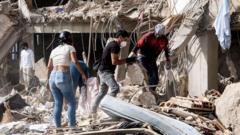
Desperate Search Continues Following Venezuela's Devastating Seismic Events
In the aftermath of catastrophic seismic activity that struck Venezuela, communities across the affected region are grappling with an unprecedented humanitarian crisis. Venezuela earthquake survivors and their families face agonizing uncertainty as rescue operations intensify across collapsed urban areas. The scale of destruction has left thousands searching for missing relatives buried beneath tons of rubble and structural debris.
Families Maintain Round-the-Clock Vigils at Disaster Sites
Grieving relatives have established continuous vigils outside damaged buildings, refusing to abandon hope despite overwhelming odds. Makeshift camps now dot the landscape near collapsed structures, where family members take turns calling out names and listening for signs of life. These desperate scenes reflect the profound emotional toll on communities already strained by regional instability. Many families remain convinced their loved ones may still be alive somewhere within the chaotic wreckage.
The Monumental Challenge of Debris Removal and Rescue Operations
Professional rescue teams face extraordinary logistical obstacles in their mission to locate Venezuela earthquake survivors. Heavy machinery capable of moving massive concrete slabs and twisted steel reinforcement is in critically short supply throughout the affected zones. The technical complexity of safe debris removal—where one wrong move could trigger secondary collapses—demands precision work that significantly slows recovery efforts. Local authorities report that many rescue teams must resort to manual labor and improvised techniques due to limited equipment availability.
Infrastructure Damage Hampering Relief Efforts
The seismic damage extends far beyond residential and commercial buildings. Critical infrastructure supporting rescue operations has sustained significant harm, including compromised road networks, damaged water supply systems, and disrupted power distribution. These cascading failures create additional barriers to effective emergency response. Rescue teams struggle to transport heavy equipment through damaged street systems, while survivors face shortages of clean water and medical supplies at makeshift shelters.
Community Response and International Support
Local organizations and volunteer groups have mobilized alongside official government agencies to assist Venezuela earthquake survivors. Religious institutions, community centers, and civic organizations have opened their doors as temporary shelters and coordination hubs. International assistance has begun arriving, though customs clearance and logistics coordination remain challenging. Several neighboring nations have dispatched medical teams and search-and-rescue specialists to support ongoing operations.
Medical Needs and Humanitarian Concerns
Health systems in affected areas are overwhelmed with crush injuries, fractures, and trauma-related conditions. Hospitals operating at full capacity must make difficult decisions about resource allocation. Disease prevention has become a pressing concern in crowded emergency shelters where sanitation remains problematic. Mental health professionals are beginning to address the severe psychological impact on survivors and rescue workers alike.
Stories of Hope Amid the Devastation
Despite the overwhelming tragedy, occasional success stories offer moments of hope to weary rescue teams and desperate families. Individuals pulled alive from beneath rubble hours or even days after initial collapse provide encouragement for continued search efforts. These rescued Venezuela earthquake survivors share harrowing accounts of their ordeal, which help guide rescue teams toward other potential pockets of survivable space within damaged structures. Each successful extraction strengthens community resolve and validates the exhausting rescue operations.
Challenges Ahead for Affected Communities
Recovery from this disaster will extend far beyond the immediate search phase. Survivors will face long-term displacement, psychological trauma, and economic hardship as reconstruction begins. Government resources will be stretched thin managing emergency response while planning for rebuilding efforts. Communities are already discussing how to establish more resilient building standards and improved disaster preparedness systems for future protection against seismic events. The path forward demands sustained international cooperation and significant financial investment in Venezuela's infrastructure rehabilitation.


