
West Midlands Faces Catastrophic Wildfire Crisis
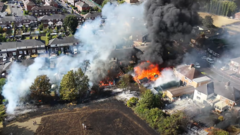
West Midlands Wildfire Crisis Reaches Historic Proportions
A severe West Midlands wildfire crisis has unfolded across the region, leaving unprecedented destruction in its wake and pushing emergency services to their operational limits. The scale of this incident has prompted regional fire leadership to declare it among the most significant emergencies they have ever encountered in their professional history.
Record-Breaking Emergency Response
Emergency communications centers across the West Midlands region experienced an extraordinary surge in distress calls as the fires spread rapidly through multiple residential areas. The fire service reported fielding thousands of 999 emergency calls during the crisis, indicating the widespread nature of the threat and the desperation of residents seeking immediate assistance.
Fire officials characterized this period as one of the most demanding operational challenges the service has faced. The sheer volume of concurrent emergencies strained resources and required coordination across multiple brigades and supporting agencies to mount an effective response.
Residential Devastation and Community Impact
The West Midlands wildfire crisis has resulted in substantial destruction of residential properties, displacing families and destroying homes in affected communities. The fires moved with considerable speed, leaving homeowners minimal time to evacuate safely with their belongings.
Multiple neighborhoods across the region experienced direct impact from the advancing flames. Residents reported harrowing experiences as they fled their homes, with some losing everything to the rapid spread of the fires. The human cost extends beyond property damage, encompassing trauma, displacement, and prolonged recovery challenges for affected families.
Fire Service Assessment and Response
Regional fire leadership provided a comprehensive assessment of the incident, emphasizing its historical significance within their operational records. The fire chief's statement underscored the exceptional demands placed upon firefighting personnel, support staff, and emergency infrastructure during this extended crisis period.
The emergency response involved firefighting crews working extended shifts to contain the spread and protect life. Water supply challenges, terrain difficulties, and simultaneous fire locations tested the resilience and capabilities of the entire service infrastructure.
Communications and Public Safety Coordination
The extraordinary number of incoming emergency calls placed significant pressure on dispatch centers and communication systems. Operators worked continuously to prioritize calls, direct resources efficiently, and ensure that the most critical situations received immediate attention.
Public safety messaging became critical during the West Midlands wildfire crisis, with authorities issuing evacuation orders and shelter-in-place directives depending on residential proximity to active fire zones. Coordination between fire services, police, local authorities, and health services proved essential to managing the multifaceted emergency response.
Regional Support and Mutual Aid
The scale of devastation necessitated assistance beyond the immediate region's emergency services. Neighboring fire brigades and emergency resources mobilized to support the overwhelmed local services, demonstrating the cooperative framework that exists among emergency services across broader geographical areas.
This mutual aid arrangement reflected the severity of the situation and the recognition that local resources alone could not adequately address the simultaneous fires burning across multiple residential communities.
Looking Ahead: Recovery and Investigation
As firefighting efforts continue against remaining active fires, attention increasingly turns toward recovery operations and investigative procedures. Determining the origins of the fires will be critical for understanding how such a widespread incident developed.
Recovery will extend far beyond firefighting, encompassing rebuilding efforts, displaced persons assistance, mental health support for affected residents, and community restoration initiatives. The West Midlands wildfire crisis will likely require months or years of sustained recovery efforts across multiple sectors of the regional community.
The incident has prompted important discussions about fire preparedness, early warning systems, and emergency response capabilities in the region. Lessons learned from this historic crisis will likely inform future emergency management planning and resource allocation decisions within the West Midlands fire service.


