
Who Should Pay on a First Date? Modern Dating Etiquette Explained
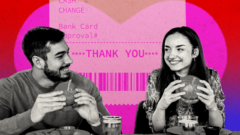
Who Should Pay on a First Date? Navigating Modern Dating Expectations
The question of who should pay on a first date remains one of the most debated topics in contemporary relationships. When two people meet for the first time with romantic intentions, financial expectations often create an awkward moment. Understanding who should pay on a first date requires examining diverse perspectives, cultural backgrounds, and evolving social norms that shape modern dating practices.
The Traditional Approach: The Asker Pays
Many people still believe that whoever initiated the date should cover the entire bill. This perspective stems from conventional dating etiquette where the person extending the invitation assumes financial responsibility. Advocates of this approach argue that if someone asks another person out, they demonstrate genuine interest and commitment by paying. This traditional view maintains that the person who suggested the meeting should handle all expenses, regardless of gender. For many singles, this expectation feels natural and establishes clear boundaries from the beginning of a potential relationship.
However, this approach has faced criticism in recent years. Some argue that it places undue pressure on whoever initiates, potentially discouraging people from taking the first step in dating. Additionally, this method can perpetuate outdated gender roles, particularly when men feel obligated to ask women out and pay for everything.
The Equality Perspective: Splitting the Bill
Many modern daters advocate for splitting the bill equally, viewing this practice as a reflection of genuine equality and mutual respect. Those who prefer splitting the bill believe that both individuals benefit from the date and should therefore share costs fairly. This approach eliminates uncomfortable power dynamics and demonstrates that neither person feels superior or indebted to the other.
Proponents of splitting expenses argue that it removes financial manipulation from dating and establishes healthier relationship foundations. When both parties contribute equally, conversations about money become less fraught with tension. Furthermore, splitting the bill allows both individuals to maintain their financial independence and avoid feeling uncomfortable about owing someone.
Interestingly, many people report feeling discouraged by requests to split the bill on first dates. Some express that an offer to divide expenses might suggest a lack of genuine romantic interest or investment in the relationship. This perception creates tension between those seeking equality and those viewing bill-splitting as emotionally discouraging.
The Romantic Gesture: One Person Pays
A significant portion of the dating population still views one person paying for an entire date as a romantic gesture. Many believe that offering to pay demonstrates care, confidence, and genuine interest in the other person. This perspective isn't necessarily tied to outdated gender roles but rather reflects the belief that romantic gestures matter in relationships.
For many individuals, particularly women, a partner's willingness to pay for a date signals that they're serious about the connection and value the time spent together. In this view, financial generosity becomes an expression of affection and commitment. The person who pays isn't necessarily seeking control or establishing dominance but rather showing through actions that they care about making a good impression.
This approach also acknowledges that dating often involves unequal financial situations. When one person earns significantly more than the other, expecting equal bill-splitting might create unfair pressure on someone with limited resources.
Gender Dynamics and Evolving Expectations
Who should pay on a first date often intersects with gender expectations in complicated ways. Traditionally, men were expected to pay, while women had no financial obligation. However, contemporary dating has challenged these assumptions. Many modern women expect to pay for themselves or contribute equally, viewing financial independence as essential to their autonomy.
Yet research consistently shows that payment preferences vary widely among different demographics. Some women feel put off when men ask to split the bill, interpreting it as a lack of genuine romantic interest. Others feel empowered by contributing financially and resent being expected to let someone else pay.
Similarly, many men express frustration with uncertain expectations. Some appreciate when women offer to contribute, while others feel emasculated if they're not allowed to pay. These varied reactions demonstrate that assumptions about gender and dating payments remain deeply ingrained in social consciousness.
Practical Communication Solutions
Rather than relying on assumptions about who should pay on a first date, experts recommend open communication. Discussing payment expectations beforehand, though awkward, prevents misunderstandings and resentment. Some couples decide to alternate paying on subsequent dates, allowing both parties to contribute while avoiding the split-bill scenario.
Another approach involves one person offering to pay for the meal while the other covers drinks or dessert. This compromise satisfies those seeking a traditional gesture while acknowledging the other person's desire to contribute. The key is ensuring both individuals feel respected and valued, regardless of who handles the bill.
Conclusion: Finding Your Dating Approach
Who should pay on a first date ultimately depends on personal values, cultural background, and individual preferences. There's no universally correct answer that applies to everyone. The most important factor is that both people feel comfortable, respected, and genuinely interested in each other. By understanding different perspectives on payment and communicating openly about expectations, daters can navigate this potentially awkward moment with grace and authenticity.


