
Afghan women expose harsh Taliban rule impact after five years
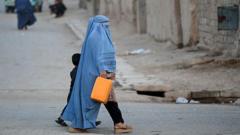
Afghan Women Confront Harsh Realities Under Taliban Rule
Five years into Taliban governance, Afghan women have witnessed a dramatic transformation of their daily existence, with conditions deteriorating across multiple sectors of society. Afghan women Taliban rule has become synonymous with severe restrictions that have fundamentally altered the trajectory of millions of lives. Through candid interviews with international media outlets, women from various regions describe an existence marked by unprecedented hardship and systematic marginalization.
Public Punishment and Physical Coercion
One of the most troubling aspects reported by Afghan women involves the resumption of public flogging as a punishment mechanism. These acts occur in town squares and public spaces, where women accused of violating Taliban-imposed codes of conduct face physical punishment in front of crowds. The practice has instilled widespread fear throughout communities, discouraging women from venturing outside their homes or engaging in activities deemed unacceptable by Taliban authorities.
Witnesses describe scenes of brutality that harken back to the Taliban's previous rule in the 1990s. The psychological impact extends beyond those directly punished, affecting the broader population who live in constant anxiety about potential infractions and their consequences. Families report modifying their behavior significantly to avoid drawing attention from Taliban enforcers.
Employment Barriers and Economic Devastation
The professional landscape for Afghan women has contracted dramatically under Taliban control. Women have been systematically removed from government positions, educational institutions, and numerous private sector jobs. Many who held secure employment before the Taliban takeover now find themselves unemployed and struggling to support their families.
Healthcare workers, teachers, and civil servants represent significant portions of the displaced workforce. Beyond the immediate financial hardship, this exclusion denies women economic independence and decision-making power within their households. Families dependent on female wage earners face acute poverty and vulnerability.
Healthcare Crisis and Life-Threatening Obstacles
Perhaps most critically, Taliban restrictions on women's autonomy have created dangerous healthcare barriers. Women report being unable to receive medical treatment without male guardian permission, even in emergency situations. Female healthcare workers have been restricted or banned from employment, reducing access to necessary medical services.
Pregnant women face particular vulnerability, as maternal healthcare access has become severely limited. The combination of fewer female medical professionals and restrictions on women's movement has created a humanitarian crisis affecting reproductive health and survival rates. Families describe agonizing situations where treatable conditions have become life-threatening due to administrative obstacles.
Educational Opportunities Eliminated
Secondary education for girls has been effectively prohibited, with Taliban authorities preventing female students from attending school beyond the sixth grade. This educational blockade has eliminated pathways to higher learning and professional advancement that existed before Taliban authority consolidated. Young women describe feelings of hopelessness about their futures as educational doors close permanently.
Social Movement Restrictions and Surveillance
Freedom of movement has been severely curtailed for Afghan women. Travel without male accompaniment is frequently prohibited or heavily scrutinized. Women report being stopped by Taliban officials, questioned about their destinations, and forced to return home. This creates an atmosphere of constant surveillance and control.
Long-term Consequences and International Concern
The cumulative impact of these restrictions has created what human rights organizations describe as systematic oppression. The psychological toll of five years under such conditions has been profound, with widespread reports of depression, anxiety, and suicidal ideation among women and girls. The loss of opportunity, autonomy, and dignity has reshaped an entire generation's expectations and possibilities.
International observers continue documenting these conditions, with Afghan women's accounts serving as crucial evidence of the human cost of Taliban governance. The testimonies provide powerful insight into daily survival strategies and resilience in the face of overwhelming institutional hostility toward female participation in society.


