Child Safety Measures Inadequate in Tower Block Death, Inquest Reveals
Inquest Highlights Preventable Tragedy in East London Housing
An investigation into the devastating death of a young child has revealed that enhanced child safety measures could have prevented the tragedy. The inquest proceedings have exposed critical gaps in protective safeguards that should have been implemented in the residential accommodation where the incident occurred.
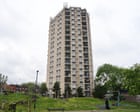
The case centers on a five-year-old boy named Aalim Ahmed, who tragically fell from a 15th-floor kitchen window at a tower block in Plaistow, east London, on the morning of 16 May 2024. The child's father, Makail Ahmed, discovered his son's body shortly before 6am that day. Aalim had been diagnosed with autism spectrum disorder, a condition that would have required specialized environmental adaptations to ensure his safety in the high-rise residential setting.
Circumstances Surrounding the Incident
The family had been residing in temporary social housing accommodation at the time of the child safety measures inquiry. According to testimony presented during the inquest proceedings, the family had previously requested to be relocated from the high-rise tower block, expressing concerns about the living arrangements for their young son.
The kitchen window from which Aalim fell was situated on the 15th floor, presenting an inherent danger for a young child, particularly one with autism who may have limited understanding of risk assessment. The window configuration and accessibility became central points of discussion during the inquest examination.
Expert Analysis on Safety Deficiencies
During the proceedings, experts testified regarding what additional protective measures could have been implemented to prevent such a tragedy. Child safety measures experts highlighted several potential interventions that were not in place at the time of the incident.
These recommendations included window restrictors that would have limited how far the window could open, making it physically impossible for a young child to fall through. Such devices are relatively inexpensive and straightforward to install, yet they were not present in this residential unit. Additionally, safety gates or barriers could have been positioned in the kitchen area to restrict the child's unsupervised access to windows during periods when parental supervision might be momentarily interrupted.
The Role of Social Housing Providers
The inquest raised questions about the responsibilities of social housing providers in ensuring that temporary accommodations meet appropriate safety standards for families with vulnerable children. The tower block's management faced scrutiny regarding their duty of care and the implementation of mandatory safety protocols.
Autism Considerations in Housing Design
Expert witnesses emphasized that for children with autism spectrum disorder, standard housing safety measures are often insufficient. These children may not comprehend dangers in the same way neurotypical children do, requiring more robust and proactive environmental modifications.
Family's Previous Concerns
The tragedy gained added significance from the fact that the family had already communicated their apprehensions about residing in the high-rise building. Their earlier requests to be moved to alternative accommodation suggested that they had recognized vulnerabilities in their current living situation. These documented concerns about the tower block environment raised questions about why appropriate action had not been taken more promptly.
The family's proactive approach in seeking relocation demonstrated their awareness of potential risks associated with temporary social housing in multi-story residential blocks, particularly for a child with special needs requiring enhanced supervision and environmental safeguards.
Implications for Housing Standards
The inquest findings are likely to have broader implications for how local authorities and social housing providers approach temporary accommodation assignments, particularly when families include young children or individuals with disabilities. The case underscores the importance of conducting thorough risk assessments before placing families in high-rise temporary housing.
The examination of child safety measures throughout this inquest has brought increased attention to gaps in current housing regulations and practices. Housing providers may face renewed pressure to implement more comprehensive safety protocols, particularly regarding window safety in properties where families with young children reside.
Ongoing Review and Recommendations
Following the inquest proceedings, various stakeholders in the housing and child protection sectors are expected to review their current practices and safety protocols. The evidence presented regarding inadequate child safety measures has prompted discussions about mandatory improvements in temporary social housing facilities.
The tragic incident serves as a stark reminder of the vulnerability of young children living in high-rise residential settings and the critical importance of implementing comprehensive safety measures that account for the specific needs of children with autism and other developmental conditions.