
China Denounces US Sanctions on Iran as Unlawful Trade Restrictions
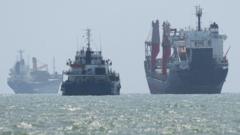
China Condemns Fresh US Sanctions on Iran
Beijing has issued a sharp rebuke against newly implemented US sanctions on Iran, characterizing the measures as illegal restrictions that undermine international commerce and legitimate trading relationships. The US sanctions on Iran represent a continuation of Washington's aggressive stance toward Tehran, with significant implications for nations maintaining economic ties with the Islamic Republic.
The American administration has issued warnings to countries engaged in business activities with Iran, explicitly threatening diplomatic and economic isolation for those who refuse to sever commercial connections. This hardline approach directly impacts China, which maintains substantial trade relationships with the Iranian government and purchases considerable volumes of crude oil from Tehran's reserves.
Impact on Beijing's Oil Trade
China's position as a major buyer of Iranian petroleum places the nation at the center of this escalating trade dispute. The Asian economic powerhouse receives a significant portion of its oil imports from Iran, making the US sanctions on Iran a matter of considerable national interest and economic importance. Beijing has consistently argued that such unilateral measures violate international law and infringe upon the sovereignty of independent nations to conduct legitimate business transactions.
The threatened isolation of trading partners extends beyond simple diplomatic consequences, encompassing potential financial penalties, secondary sanctions, and restrictions on international banking relationships. These economic weapons effectively force countries into choosing between maintaining profitable business relationships with Tehran or facing severe repercussions from American financial and political systems.
Broader International Trade Concerns
Chinese officials have raised fundamental objections regarding the legality and effectiveness of these unilateral restrictions. Beijing contends that US sanctions on Iran lack legitimate international authorization and represent an attempt to impose American foreign policy preferences upon the global community through economic coercion rather than multilateral consensus.
The dispute reflects deeper tensions between Washington and Beijing regarding trade autonomy, international law interpretation, and the legitimate scope of national sanctions authority. China's vocal criticism underscores the growing friction between American protectionist policies and the Chinese government's commitment to maintaining independent foreign commerce decisions.
Strategic Implications
This confrontation highlights how US sanctions on Iran have become a flashpoint in broader geopolitical competition between America and China. The measures designed to pressure Tehran ultimately create friction with Beijing, reinforcing Chinese grievances about American economic hegemony and unilateral decision-making in international affairs.
Tehran benefits from Chinese diplomatic support in these circumstances, as Beijing's opposition to the sanctions provides valuable international legitimacy for Iran's position. The alliance of interests between China and Iran, grounded in mutual economic benefits and shared resistance to American pressure, strengthens their negotiating positions despite significant international pressure.
Economic and Political Ramifications
The consequences of enforcing these sanctions extend throughout global supply chains, energy markets, and financial systems. Companies worldwide face difficult decisions about maintaining Iranian operations or preserving access to American markets and financial institutions. This binary choice mechanism demonstrates how US sanctions on Iran function as tools of extraterritorial economic control.
China's strong opposition signals that Beijing will not easily capitulate to American demands regarding Iran policy. The Chinese government recognizes that acquiescing to such pressure would set dangerous precedents for other future American-imposed restrictions affecting Chinese economic interests and strategic partnerships.
Looking Forward
The standoff between Washington, Beijing, and Tehran appears likely to intensify absent significant diplomatic breakthrough. China's continued defiance regarding US sanctions on Iran suggests that Beijing prioritizes its strategic relationship with Tehran and its broader resistance to perceived American economic imperialism over compliance with American demands. This positioning reflects China's growing confidence in its economic leverage and willingness to challenge American-led international norms.


