Diplomáticos exigen medidas contra Israel por 'borrar' Palestina
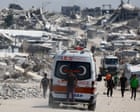
Over 100 Senior Diplomats Call for Action Against Israel's 'Erasure' of Palestine
The erasure of Palestine represents one of the most pressing humanitarian crises facing the international community today. More than 100 former diplomats from France and Britain have signed an unprecedented joint letter addressing this urgent situation, calling on world leaders to implement decisive measures. The letter, directed at President Macron and other senior officials, accuses Israel of systematic ethnic cleansing and demands immediate international intervention through trade restrictions, arms embargoes, and diplomatic pressure.
Historic Diplomatic Statement on Palestine Crisis
This extraordinary joint statement from veteran diplomats marks a significant departure from traditional diplomatic restraint. The signatories, representing decades of combined experience in international relations and foreign policy, have abandoned conventional diplomatic language to deliver stark warnings about the ongoing situation. Their call for action regarding the erasure of Palestine underscores the gravity with which these experienced foreign service professionals view current developments in the region.
The letter directly accuses Israel of ethnic cleansing, a characterization that represents strong language from such a distinguished group of former ambassadors and senior diplomatic officials. These individuals have spent their careers navigating complex geopolitical situations and carefully calibrating statements for international audiences. Their willingness to make such explicit accusations demonstrates their deep concern about what they witness occurring on the ground.
Proposed International Measures and Sanctions
The diplomats have outlined a comprehensive framework of actions they believe the international community must pursue. Their recommendations include multiple enforcement mechanisms designed to compel compliance with international law. First among these proposals is a clear directive to uphold the decisions rendered by both the International Court of Justice and the International Criminal Court, bodies established to ensure accountability for violations of international norms.
Trade restrictions form a central component of the proposed strategy. The signatories recommend suspending the EU-Israel association agreement and the UK-Israel trade and partnership agreement, citing breaches of human rights provisions as justification. These trade frameworks have historically been instrumental in diplomatic relations, making their suspension a significant economic and political lever.
Additionally, the diplomats propose comprehensive arms embargoes affecting all weapons transfers to and from Israel, alongside a complete suspension of bilateral military cooperation. This proposal addresses the military dimension of international support for Israel, aiming to restrict capabilities that could be deployed in contested territories.
Humanitarian Access and Accountability Measures
The letter emphasizes the critical importance of ensuring unrestricted humanitarian access to Gaza. The diplomats specifically call for aid operations to be led by UN Relief and Works Agency, other UN entities, and international non-governmental organizations. They further insist that access must be extended to journalists, diplomats, and parliamentarians, ensuring transparency and international oversight of conditions within the territory.
The proposed measures extend to settlements in disputed territories. The former diplomats recommend implementing comprehensive bans on all trade involving settlements, encompassing goods, investments, insurance arrangements, and other financial services. This approach targets the economic infrastructure supporting settlement expansion.
Beyond trade restrictions, the signatories advocate for making it illegal for British and French citizens to purchase property on what they characterize as stolen Palestinian land. They also propose removing charitable status from organizations that fund settlement construction or related activities, effectively cutting off fundraising mechanisms that support these efforts.
Global Perspective and Diplomatic Concerns
The joint letter articulates concerns extending beyond specific policy measures. The signatories warn that international perception of Israel has shifted fundamentally, noting that the world no longer views the country as a genuine democracy. This assessment carries particular weight given its source from individuals who have spent careers assessing political systems and international standing.
The unprecedented collaboration between French and British former diplomats represents a rare alignment on such a sensitive issue. Both nations maintain complex relationships with Israel and the broader Middle East region, making their joint statement particularly noteworthy. The fact that these experienced foreign policy professionals have overcome institutional differences to speak in unison underscores their conviction regarding the urgency of the situation.
International Legal Framework and Enforcement
The diplomats' proposals rest upon existing international legal structures and agreements. By referencing the International Court of Justice and International Criminal Court, they situate their recommendations within established legal frameworks rather than advocating for novel mechanisms. This approach lends credibility to their proposals while grounding them in recognized international institutions.
The letter addresses E1 settlement expansion specifically, proposing that potential bidders and investors be warned of consequences to their interests in both the United Kingdom and France. This targeted approach combines economic pressure with transparent communication about potential repercussions.
The collective voice of these 100-plus former diplomats represents significant international pressure for policy change. Their detailed proposals provide specific, implementable recommendations rather than vague calls for action. The comprehensive nature of their suggestions—spanning trade, military, humanitarian, legal, and financial domains—demonstrates serious engagement with the complexity of the situation while maintaining focus on concrete, measurable outcomes.