Ebola Outbreak Accelerates in DRC: Violence and Misinformation Worsen Crisis
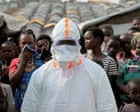
Record-Breaking Ebola Outbreak Spreads Across Multiple Nations
The Ebola outbreak DRC is experiencing unprecedented growth, with alarming transmission rates continuing to accelerate across the Democratic Republic of the Congo and extending into neighboring regions. Nearly two months after authorities detected the initial cases in a single province, the epidemic has evolved into one of the most rapidly expanding viral outbreaks in recent history, fundamentally challenging public health response mechanisms and overwhelming healthcare infrastructure across the affected territories.
As of July 8, official government records documented 1,759 confirmed cases and 600 fatalities linked to the Ebola virus. The outbreak has transcended international borders, with Uganda confirming 20 cases and registering two deaths within its territory. These figures underscore the transnational nature of modern infectious disease threats and the urgent requirement for coordinated international response strategies.
Misinformation and Violence Compound the Public Health Crisis
The rapid proliferation of the Ebola outbreak in DRC has been substantially amplified by deliberate misinformation campaigns and targeted violence directed at healthcare workers and treatment facilities. False narratives concerning the disease's origins, transmission routes, and treatment efficacy have circulated widely through community networks and social media platforms, eroding public confidence in established medical guidance and institutional authorities.
Local populations in affected areas have become increasingly hostile toward vaccination initiatives and isolation protocols, viewing these containment measures with deep suspicion. Treatment centers have faced physical attacks from community members who reject official narratives about the disease, further destabilizing efforts to isolate infected individuals and prevent transmission chains. Healthcare volunteers, including nurses and epidemiologists, have encountered aggressive resistance while attempting to conduct essential contact tracing and disease monitoring activities.
Economic Constraints and Reduced International Support
The escalation of the Ebola outbreak across the DRC coincides with significant reductions in international humanitarian assistance and development funding directed toward the region. Concurrent armed conflicts in multiple provinces have diverted resources away from public health infrastructure, leaving hospitals and diagnostic facilities critically underfunded and inadequately staffed.
The combination of deteriorating security conditions and constrained budgets has severely limited the capacity of health authorities to implement comprehensive surveillance systems, conduct rapid diagnostic testing, and establish adequate quarantine facilities. Remote communities in conflict zones remain largely inaccessible to response teams, allowing transmission to proceed unmonitored in populations disconnected from formal healthcare networks.
Regional Instability and Healthcare Accessibility
Armed conflict and political instability throughout the Democratic Republic of the Congo have fundamentally compromised the healthcare delivery infrastructure necessary to combat infectious disease threats. Medical facilities in conflict-affected regions face frequent disruptions, with staff evacuations and facility closures preventing continuity of care and disease surveillance activities.
Communities displaced by violence occupy crowded camps and temporary settlements where disease transmission occurs rapidly and hygiene standards remain minimal. Population movements across provincial and international boundaries, driven by security concerns, inadvertently facilitate virus dissemination to previously unaffected territories. Healthcare workers operating in these volatile environments face dual threats from both the disease itself and persistent security risks.
International Response and Containment Challenges
Global health organizations have mobilized resources to address the expanding Ebola outbreak, yet the pace of response has struggled to match the virus's transmission rate. Vaccination campaigns face significant obstacles due to public hesitancy, limited cold-chain logistics in remote areas, and persistent security threats to immunization teams.
The Uganda Ebola cases demonstrate how permeable international boundaries have become in the context of contemporary disease dynamics. Border communities and cross-border traders face heightened infection risks, requiring coordinated bilateral response frameworks and shared epidemiological intelligence between neighboring nations.
Future Outlook and Critical Interventions
Containing the Ebola outbreak in the DRC will require simultaneous efforts addressing the medical, social, political, and security dimensions of the crisis. Public health communicators must develop culturally sensitive messaging strategies that counteract misinformation and rebuild institutional trust within affected communities. Simultaneously, international donors must restore funding commitments to healthcare systems and disease surveillance infrastructure throughout the region.
The unprecedented growth trajectory of this Ebola outbreak in DRC serves as a stark reminder of how modern epidemics transcend purely biological parameters, becoming entangled with social fragmentation, institutional failure, and geopolitical instability. Effective response strategies must address these interconnected factors while simultaneously maintaining focus on the immediate medical imperatives of case identification, isolation, and treatment.