
Geothermal Energy: The Costly Power Beneath Your Feet
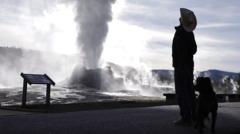
Geothermal Energy: A Promising Yet Challenging Resource
Geothermal energy represents one of the most abundant yet economically challenging renewable resources available today. Lying beneath the Earth's surface, this vast repository of heat has captured the attention of entrepreneurs and energy companies seeking sustainable alternatives to fossil fuels. However, the question remains: can emerging technologies make geothermal energy financially viable on a larger scale?
The Growing Interest in Underground Heat Sources
The renewed focus on geothermal energy stems from its unique advantages as a power generation method. Unlike solar and wind resources that depend on weather conditions, geothermal heat provides consistent, reliable baseload power. This characteristic makes it an attractive option for regions looking to transition away from traditional energy sources. Start-ups across multiple continents are now developing innovative drilling techniques and exploration methods to tap into this underground potential.
Technological Innovations Transforming the Sector
Recent advances in drilling technology have opened new possibilities for accessing geothermal resources previously considered too deep or too expensive to develop. Companies are experimenting with enhanced geothermal systems (EGS), which allow energy extraction from areas where natural hydrothermal conditions don't exist. This breakthrough could expand viable geothermal locations significantly beyond traditional volcanic and tectonically active zones.
Advanced directional drilling, high-pressure fracturing techniques, and improved reservoir monitoring systems are reducing exploration risks and operational costs. These innovations demonstrate that the industry is moving away from conventional approaches toward more efficient extraction methods capable of reaching previously untapped heat sources.
The Economic Reality of Geothermal Development
Despite technological progress, the economics of geothermal energy remain complex. Initial capital requirements for drilling and infrastructure development are substantially higher than wind or solar installations. A single geothermal project can require investments exceeding hundreds of millions of dollars before generating revenue.
Cost Factors and Market Challenges
Several variables influence the financial viability of geothermal projects. The geological characteristics of a given location determine drilling difficulty and success probability, with deeper reservoirs commanding premium costs. Permitting processes, which can extend timelines by years, add significant overhead expenses. Additionally, the specialized expertise required for geothermal development limits the number of qualified contractors, potentially inflating service costs.
Young companies entering this field face additional obstacles. Securing financing from traditional investors remains difficult due to the long development timelines and high failure risks associated with exploration drilling. Insurance premiums for exploratory wells are particularly steep, creating a substantial financial burden for smaller operators.
Emerging Business Models and Solutions
Innovative start-ups are tackling these challenges through creative approaches. Some companies are targeting direct-use applications, such as district heating systems or industrial processes, which offer faster revenue generation than electricity production. Others are partnering with established energy firms to share risk and capital requirements.
Streamlined permitting pathways, government incentives, and public-private partnerships are emerging as mechanisms to reduce barriers to entry. Several countries have recognized geothermal energy's potential and introduced subsidies or tax credits to encourage development. These supportive policies are gradually shifting the economic equation in favor of new projects.
Regional Prospects and Global Expansion
The feasibility of geothermal energy projects varies significantly by geography. Regions with active tectonics, such as Iceland, New Zealand, and parts of the United States, maintain established geothermal industries with proven economics. Newer markets show increasing potential as technology improves and costs decline.
International expansion requires adaptation to local conditions, regulatory frameworks, and grid infrastructure. Despite these variables, the fundamental appeal of geothermal energy—its reliability, low operational emissions, and minimal land footprint—continues attracting investment and research funding globally.
Long-Term Viability and Future Outlook
The question of whether the economics of geothermal energy will ultimately prove sustainable remains partially unanswered. Current trajectories suggest that technological improvements and reduced drilling costs could achieve price competitiveness within the next decade. Success depends on continued innovation, supportive policy environments, and adequate capital availability.
Start-ups developing geothermal solutions are positioned at the frontier of renewable energy transformation. Their contributions toward more efficient extraction, exploration, and utilization methods will determine whether this abundant underground resource becomes a cornerstone of global energy systems or remains a niche player. As climate imperatives intensify and energy demands grow, the economic case for geothermal energy strengthens, offering genuine potential for meaningful progress in sustainable power generation.


