
Starmer Reveals Emotional Toll Behind Historic Resignation Decision
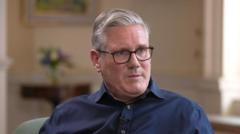
Starmer Discusses Deeply Personal Resignation in Candid BBC Interview
In a remarkably transparent conversation with the BBC, outgoing Prime Minister Keir Starmer has addressed the intensely personal nature of his recent resignation decision, describing the moment as profoundly challenging for himself and his family. The Starmer resignation decision marks a significant turning point in British politics, with the longtime Labour leader opening up about the emotional weight of accepting that his time at the helm of government had come to an end.
During the exclusive interview, Starmer acknowledged that stepping away from the highest office in the land required confronting difficult realities about his political journey. The former PM reflected on the complexity of recognizing that his career trajectory, which had taken him from lawyer to head of state, was entering a new and unexpected chapter. His candid remarks provide rare insight into the personal struggles that accompany major political decisions at the national level.
The Challenge of Accepting Political Career Transition
Starmer emphasized that the Starmer resignation decision was "really tough" to process emotionally and mentally. The weight of leaving behind his position, along with the responsibilities and prominence that came with it, represented more than a simple career transition. It involved grappling with the conclusion that his tenure as Prime Minister, despite his initial aspirations and the hopes of supporters, had reached its natural terminus.
The resignation decision highlighted the personal sacrifice required of political leaders who must prioritize broader considerations beyond individual ambition. Starmer's willingness to discuss these struggles publicly represents a departure from typical political discourse, where such vulnerabilities are often concealed behind official statements and carefully managed messaging.
Warning Signs and Leadership Reflection
Beyond discussing his own departure, Starmer offered cautionary observations regarding other Labour figures potentially facing similar crossroads. While notably mentioning Andy Burnham in his comments, the outgoing PM suggested that political decisions of this magnitude require deep introspection and careful consideration of one's capacity to lead effectively. Such warnings from experienced political figures carry particular weight, as they reflect lessons learned through direct experience at the highest levels of government.
The interview demonstrated Starmer's intention to remain engaged with Labour's future direction, even as he steps back from his formal executive role. His perspective on leadership, burnout, and the personal costs of high office provides valuable context for understanding contemporary British politics and the pressures facing those at the apex of power.
Implications for Labour Party and British Politics
Starmer's resignation decision and subsequent reflections have significant ramifications for the Labour Party's immediate trajectory and leadership structure. The manner in which he has chosen to exit—with transparency and personal honesty—contrasts sharply with some previous political departures marked by acrimony or defensive positioning. His approach may influence how future political transitions unfold within the party and across Parliament more broadly.
The Starmer resignation decision represents not merely a change in personnel but a moment of potential reflection for British political leadership about sustainability, mental health, and the human dimensions of governing. By speaking openly about the difficulty of his decision, Starmer has contributed to a broader cultural shift toward acknowledging the real human costs of public service.
Looking Forward After Leadership Transition
As the Labour Party navigates the period following Starmer's departure, the resonance of his comments about the personal nature of his resignation decision will likely shape internal party dynamics and public perception. His warnings to other potential candidates or leaders serve as a reminder that political ambition must be tempered with realistic assessments of individual capacity and wellbeing.
The candid nature of this interview suggests that Starmer intends to remain a voice within Labour circles, offering guidance drawn from his experience. Whether this involvement takes an advisory role or other forms remains to be seen, but his willingness to engage publicly with difficult truths signals a commitment to constructive dialogue about the future of British politics and leadership standards.


