
Two Boys Rescued From Venezuela Earthquake Debris as 33 Survivors Found
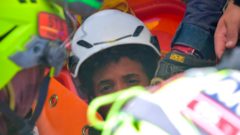
Two Boys Rescued From Venezuela Earthquake Rubble
Rescue teams achieved a significant milestone when two boys were pulled from Venezuela earthquake rubble during intensive search operations conducted over the weekend. This dramatic rescue marked a crucial success in the ongoing efforts to locate survivors following the devastating seismic event that struck the region. Among the 33 people rescued throughout the weekend, these two young survivors represent the hope and determination of emergency responders working against time in challenging conditions.
The Venezuela earthquake rubble continues to be searched methodically by rescue teams composed of trained professionals and volunteers. These rescue workers have been navigating through collapsed structures and unstable debris fields to locate any signs of life. The successful extraction of the two boys from the Venezuela earthquake rubble demonstrates the effectiveness of coordinated rescue efforts and the expertise of emergency personnel.
The Critical Window for Finding Survivors
As the weekend rescue operations concluded, families of the missing faced an agonizing reality. With tens of thousands of people still unaccounted for, the window for locating additional survivors through traditional rescue methods continues to narrow significantly. Search and rescue experts emphasize that each passing hour reduces the likelihood of finding people alive in the debris, as the harsh environmental conditions take their toll on trapped survivors.
Relatives gathered at various relief centers throughout the affected areas, seeking any information about their loved ones. Many spent another night waiting anxiously for news, hoping that their family members would be among those pulled from the Venezuela earthquake rubble. The emotional toll on families has been immense, as uncertainty about loved ones' fates compounds the trauma of the natural disaster itself.
Rescue Operations and Resource Allocation
Emergency management officials have mobilized substantial resources to continue rescue operations despite the diminishing probability of finding survivors. Heavy machinery, trained canine units, and specialized search teams have been deployed to the most affected areas. The coordinated response involves both national authorities and international humanitarian organizations working to maximize recovery efforts from the Venezuela earthquake rubble.
The 33 people rescued over the weekend represent successes achieved through systematic searches, tip-offs from residents, and the tireless work of rescue personnel. Each rescue from the Venezuela earthquake rubble represents a family reunited and a life saved, though the overall numbers remain sobering. Search teams continue to work around the clock, prioritizing areas where survivors are most likely to be found based on building surveys and reports from witnesses.
International Support and Humanitarian Response
The international community has responded to the disaster with medical aid, rescue equipment, and personnel expertise. Field hospitals have been established to treat injured survivors extracted from the Venezuela earthquake rubble, while temporary shelters provide housing for those who have lost their homes. Non-governmental organizations are coordinating food distribution, water supplies, and sanitation services in affected communities.
Medical teams are addressing injuries ranging from minor wounds to severe crush injuries sustained during the collapse. Psychological support services have also been activated, recognizing that survivors pulled from the Venezuela earthquake rubble often experience severe trauma requiring immediate counseling and ongoing mental health support.
Challenges in the Rescue Effort
Rescue operations face numerous obstacles that complicate efforts to extract survivors from the Venezuela earthquake rubble. Structural instability in damaged buildings creates dangerous conditions for rescue workers, requiring careful assessment before each extraction. Poor weather conditions, limited visibility in some areas, and the sheer volume of debris have necessitated innovative search techniques and strategic resource deployment.
Communication challenges have hindered some rescue coordination efforts, as damaged infrastructure has disrupted normal communication networks. Families seeking information about missing relatives struggle to navigate the chaotic aftermath, often receiving conflicting reports about where to direct their inquiries or check temporary morgues and medical facilities.
Looking Forward
As operations transition from active rescue to recovery, authorities continue documenting missing persons and managing the identification of victims. The success of recovering the two boys from the Venezuela earthquake rubble provides some measure of hope, yet the scale of the disaster remains staggering. Experts predict that the full impact assessment and recovery process will extend for months, if not years, as communities rebuild infrastructure and address the psychological impacts on survivors.
Recovery and reconstruction initiatives are already being planned by local government officials and humanitarian organizations. The focus will gradually shift toward rebuilding homes, restoring services, and supporting long-term psychological recovery for those affected by this tragedy. For now, search operations from the Venezuela earthquake rubble continue with renewed urgency as the critical window for finding survivors remains open.


