
Ukraine Targets Critical Russian Oil Infrastructure in St Petersburg Attack
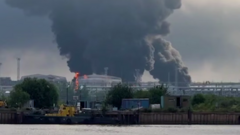
Ukraine Launches Strategic Strike on Russian Oil Facilities
Ukrainian military forces have executed a significant Ukraine oil terminal attack targeting a major petroleum infrastructure facility located in Russia's second-largest city. The operation represents a continued effort by Kyiv to disrupt Moscow's economic capacity to finance its prolonged military campaign, according to official statements from Ukrainian leadership.
President Volodymyr Zelensky characterized the targeted facility as essential infrastructure directly linked to generating substantial revenue streams that support Russia's ongoing war efforts. The strike demonstrates Ukraine's expanding capability to conduct long-range operations deep within Russian territory, marking another escalation in the asymmetric conflict between the two nations.
Strategic Importance of the Targeted Infrastructure
The oil terminal in St Petersburg serves as a critical node within Russia's energy export network. This facility plays a vital role in processing and distributing crude oil products that generate considerable foreign currency for the Russian state budget. By targeting such Russian energy infrastructure, Ukraine aims to reduce Moscow's financial resources available for military procurement and operational expenses.
Energy facilities have become increasingly prominent targets in Ukraine's military strategy, reflecting a shift toward economic warfare alongside conventional military operations. The systematic degradation of Russia's petrochemical production capacity creates multiplying effects throughout the broader economy, constraining the Kremlin's ability to sustain expensive military operations on multiple fronts.
Impact on Russia's War Financing
The St Petersburg strike represents part of Ukraine's broader campaign to erode Russia's economic foundations supporting its military apparatus. Energy exports constitute a substantial portion of Russia's federal revenues, with petroleum products accounting for significant percentages of total government income. Disruptions to these revenue streams directly constrain Moscow's capacity to finance military operations, weapons procurement, and military personnel compensation.
By degrading Russian oil production and export capabilities, Ukraine applies economic pressure that compounds the effects of international sanctions already imposed by Western nations. This combined pressure creates a multifaceted challenge for Russian fiscal management, as both internal military expenditures and external economic constraints simultaneously intensify.
Presidential Confirmation and Strategic Context
President Zelensky's formal acknowledgment of the operation underscores the strategic importance Ukrainian leadership assigns to disrupting Russia's economic war machine. His characterization of the facility as infrastructure that "generates revenue for Russia's war" establishes the explicit linkage between energy infrastructure destruction and weakening Russian military capacity.
This operational approach reflects Ukraine's understanding that conventional military victory may require extended campaigns targeting both military forces and the economic systems sustaining those forces. The Zelensky military operation strategy encompasses attacks on weapons depots, petroleum refineries, electrical generation plants, and transportation networks essential to Russia's war effort.
Broader Implications for the Conflict
The continuation of attacks against Ukraine Russia conflict infrastructure within Russian territory signals a fundamental shift in operational parameters. Ukrainian forces have progressively extended their operational reach, conducting strikes hundreds of kilometers from the front lines using various platforms and technologies.
Such operations carry significant strategic implications. They demonstrate that Ukraine's military capacity extends beyond territorial defense into offensive economic warfare. For Russia, these strikes represent growing vulnerabilities within previously secure rear areas, forcing Moscow to allocate military resources toward protecting domestic infrastructure instead of concentrating forces exclusively on battlefield operations.
International Response and Future Trajectory
The attack occurs within the broader context of evolving international support for Ukraine's military efforts. Western nations have progressively expanded the range of weapons systems and technologies transferred to Ukrainian forces, enabling expanded operational capabilities. These developments have permitted Ukrainian military planners to expand targeting priorities beyond immediate frontline objectives.
As energy infrastructure continues to receive attention from Ukrainian planners, Russia faces compounding challenges in maintaining economic output necessary to sustain prolonged military operations. The cumulative effect of repeated strikes against petroleum facilities, electrical generation plants, and related infrastructure increasingly constrains Moscow's operational flexibility and economic resilience during what Ukrainian and Western analysts increasingly characterize as a protracted conflict requiring sustained military and economic endurance.


