
Trump Abandons Strait Tariff Plan While US Intensifies Iran Port Operations
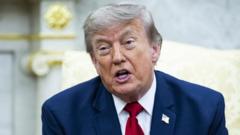
Trump Reverses Course on Hormuz Shipping Fees
The Trump administration has reversed its position regarding the Trump Hormuz tariff proposal, withdrawing threats to impose a 20% toll on cargo vessels transiting through one of the world's most critical maritime chokepoints. The reversal came less than 24 hours after the initial announcement, marking a significant shift in the administration's approach to controlling traffic through the strategic waterway.
Context Behind the Policy Shift
The Trump Hormuz tariff plan emerged as part of broader efforts to economically pressure Iran and restrict its maritime capabilities. However, the swift reversal suggests internal discussions about the feasibility and international implications of implementing such a contentious fee structure. The abandoned toll would have applied to all commercial vessels navigating the Strait, regardless of their destination or cargo origin.
Strategic Implications for Global Trade
The Strait of Hormuz serves as a critical passage for approximately one-third of global maritime crude oil shipments. Any sustained fee structure could have triggered significant economic consequences across international energy markets. The decision to abandon the tariff proposal indicates recognition of these broader economic considerations that extend beyond bilateral US-Iran relations.
Continued US Port Blockade Operations
Despite withdrawing the tariff threat, the United States has maintained its aggressive blockade strategy targeting Iranian ports. This dual approach—dropping the fee proposal while intensifying operational pressure—represents a recalibration of tactics rather than a fundamental shift in policy objectives. The blockade continues to disrupt Iran's maritime commerce and isolate its shipping infrastructure.
Mechanism of Port Restrictions
The ongoing blockade operates through various mechanisms including naval presence, sanctions enforcement, and international coordination with allied nations. These restrictions aim to prevent Iranian vessels from accessing global markets and limit the nation's ability to conduct international trade. The blockade particularly targets Iranian oil exports, which constitute a major revenue source for the government.
International Response and Ramifications
Global shipping companies have expressed concerns about the uncertainty surrounding Hormuz passage regulations. The reversal of the tariff plan may provide temporary relief to commercial operators, yet the persistent blockade maintains significant disruptions to normal maritime operations in the region. Multiple nations dependent on Middle Eastern energy supplies have monitored these developments closely.
Allied Nations' Position
Several US allies in the Gulf region and beyond have balanced competing interests—supporting pressure on Iran while maintaining concerns about free passage of commercial vessels. The Trump Hormuz policy adjustments reflect ongoing negotiations and diplomatic considerations that extend across multiple stakeholder interests.
Economic Impact Assessment
The abandonment of the tariff proposal reduces uncertainty for shipping insurance costs and freight rate calculations. However, the continued port blockade maintains pressure on Iranian economic activity and energy sector revenues. The combination of these policies creates a complex environment where stated fees are rescinded while operational restrictions persist.
Industry analysts suggest the reversal may indicate strategic recalibration toward more sustainable long-term pressure mechanisms rather than immediate revenue-generation schemes. The focus appears to have shifted back toward conventional blockade tactics with proven effectiveness in previous enforcement operations.
Looking Forward: Maritime Policy Continuity
The decision to maintain the blockade while abandoning tariff collection suggests the administration's prioritization of operational control over new revenue mechanisms. This approach aligns with established precedent in maritime enforcement strategies, where physical presence and regulatory power prove more effective than per-transaction fees. The Trump Hormuz strategy now emphasizes sustained operational presence rather than transactional charges.
The reversal demonstrates how policy announcements within this administration can shift rapidly based on internal deliberations and external pressure. However, the core objective of constraining Iran's maritime capabilities through port-level restrictions remains firmly in place. Stakeholders in global shipping should anticipate continued volatility in Hormuz passage conditions while recognizing that the specific fee structure has been formally abandoned.


